

Choosing the Right Reflective Safety Jacket Colors for Your Needs
Reflective safety jacket colors do more than create a professional appearance. They play an important role in workplace visibility, worker identification, and overall safety programs across many industries.
Choosing the right color depends on the work environment, lighting conditions, weather, and applicable safety standards. Understanding these factors helps employers select jackets that support visibility and operational needs.
Key factors when choosing reflective safety jacket colors include:
- ANSI/ISEA 107 compliance requirements.
- Work environment and background colors.
- Lighting and weather conditions.
- Worker identification needs.
- Traffic exposure and equipment movement.
- The appropriate garment class for the job.
The Psychology of Reflective Safety Jacket Colors
Colors play an important role in visibility and recognition. When it comes to workplace safety apparel, color selection influences how easily workers can be identified in different environments.
The right color helps create contrast between workers and their surroundings, supporting visibility during daytime operations and changing conditions.
ANSI-Approved Colors
ANSI/ISEA 107 recognizes fluorescent yellow-green, fluorescent orange-red, and fluorescent red as approved background colors for high-visibility safety apparel. These colors provide strong contrast and support visibility across many industries.
Yellow Safety Jackets
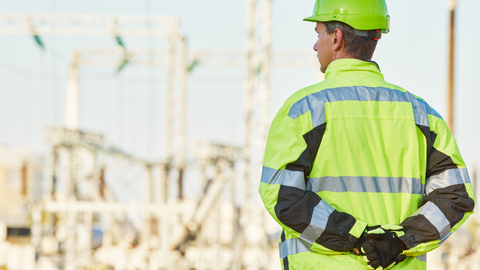
Fluorescent yellow-green, often called Safety Yellow, is one of the most common high-visibility colors used in the workplace.
You will frequently see yellow safety jackets in:
- Construction sites
- Airports
- Parking facilities
- Toll operations
- Forestry applications
These garments help workers remain easier to identify in active work environments and changing conditions. Learn more about common jobsite hazards in our guide to construction accidents.
Orange Safety Jackets

Fluorescent orange-red, often called Safety Orange, is commonly used in road construction, surveying, transportation, and other outdoor industries.
The strong contrast between orange garments and many natural backgrounds helps workers remain visible during low-light, foggy, or roadside conditions.
Hunters and outdoor recreation enthusiasts also frequently use orange garments for visibility purposes.
Red Safety Jackets
Fluorescent red garments are sometimes used by emergency response organizations and specialized work crews that require clear identification in demanding environments.
Red jackets can help distinguish personnel roles while maintaining strong visibility characteristics in smoke, poor weather, and low-light situations.
Identification Colors Beyond ANSI Apparel
Green Safety Jackets
Darker green jackets are generally used for identification purposes rather than as ANSI-compliant high-visibility apparel.
Organizations may use green garments to identify:
- First aid personnel
- Safety officers
- Security staff
These colors support team identification and coordination during workplace activities and emergency response situations.
Blue Safety Jackets
Blue jackets may also serve identification purposes in specialized environments, including aviation support roles and large event operations.
Although they are not substitutes for ANSI-compliant high-visibility apparel, they can help distinguish groups and improve organizational awareness.
Factors to Consider When Choosing Safety Jacket Colors
Work Environment
The surrounding environment plays a major role in determining the best jacket color. Construction sites, warehouses, transportation facilities, and industrial plants may each require different visibility strategies.
Workers in warehouse environments, for example, face different challenges than roadway crews. Learn more in our warehouse safety guide.
Lighting Conditions
Low-light and nighttime environments require both bright fluorescent materials and quality reflective striping. Reflective elements help return light toward its source, supporting worker visibility under vehicle headlights and work lighting.
Weather Conditions
Rain, snow, fog, and other weather conditions affect visibility. Choosing colors that provide strong contrast against the environment helps workers remain easier to identify throughout changing conditions.
Compliance Requirements
Many industries rely on ANSI/ISEA 107 guidance when selecting high-visibility apparel. The standard recognizes fluorescent yellow-green, fluorescent orange-red, and fluorescent red as approved background colors for compliant garments.
Additional information is available in our article on high-visibility safety apparel standards and practices.
Garment Classification
Different ANSI classes provide varying amounts of visible material to support different work environments and visibility needs. The appropriate class depends on traffic exposure, work complexity, and environmental conditions.
Choosing the Right Reflective Safety Jacket
Selecting the best reflective safety jacket involves more than choosing a color. Employers should evaluate the work environment, lighting conditions, weather exposure, traffic speeds, and worker responsibilities before making a decision.
Combining the appropriate garment class with the right color and reflective materials helps support a comprehensive workplace visibility program.
Need Custom High-Visibility Jackets for Your Team?
Hi-Viz.com provides custom printed high-visibility jackets, parkas, rainwear, and reflective outerwear for construction companies, utilities, municipalities, transportation crews, and industrial workplaces.