

Safety via Compliance: A Look at Standards for Hi-Vis Clothing
Workplace injuries remain a serious concern across many industries. For workers near traffic, equipment, forklifts, machinery, or low-light environments, high-visibility clothing is often an important part of a safety program.
High-visibility standards help employers choose garments that match the work environment, visibility risks, and job responsibilities. This guide explains the relationship between OSHA expectations and ANSI/ISEA high-visibility apparel classifications.
High-visibility standards help define:
- Garment classes based on visibility needs.
- Fluorescent background material requirements.
- Retroreflective tape requirements.
- Garment types for roadway, public safety, and off-road work.
- Proper garment selection based on workplace hazards.
- Training, care, and replacement considerations.
What Is Hi-Vis Clothing?
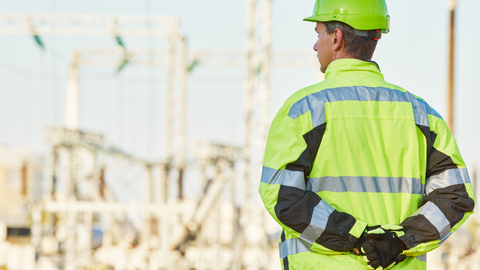
Hi-vis is short for high-visibility clothing. This apparel helps workers remain easier to see in various lighting conditions and work environments.
High-visibility clothing comes in different performance classes depending on the amount of visible background material and reflective tape. Common high-visibility colors include fluorescent yellow-green and fluorescent orange-red.
OSHA High-Visibility Standards

The Occupational Safety and Health Act of 1970 created the framework for OSHA workplace safety oversight. The OSHA Act includes the General Duty Clause, which requires employers to provide a workplace free from recognized hazards likely to cause death or serious physical harm.
OSHA does not provide one simple, universal high-visibility clothing rule for every job. Instead, employers should review applicable OSHA standards, worksite hazards, and industry guidance to determine when high-visibility apparel is needed.
For many employers, high-visibility clothing supports a broader safety program by helping workers remain easier to identify around traffic, equipment, and active work areas.
Introducing ANSI/ISEA 107
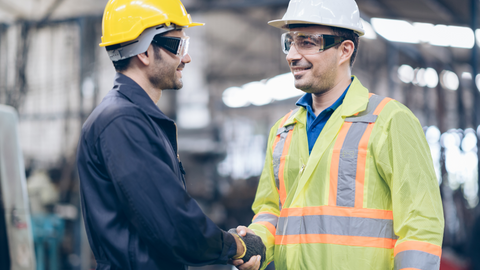
While OSHA provides the workplace safety framework, the ANSI/ISEA 107 standard provides detailed performance requirements for high-visibility safety apparel. ANSI/ISEA 107 includes classifications based on garment design, background material, reflective material, and intended work environments.
ANSI/ISEA 107 has been revised over time, with a major current version published in 2020. The standard defines performance classes used across many U.S. industries. You can learn more through this ANSI/ISEA 107 overview.
Key Components
ANSI/ISEA 107 identifies garment types and classes to help match apparel to the work environment. These standards consider the amount of fluorescent background material, retroreflective material, and the type of work being performed.
The goal is to make workers easier to identify in conditions where visibility matters, such as roadwork, construction, utilities, warehouses, transportation, and public safety settings.
Extra Considerations
Following ANSI/ISEA 107 is only one part of selecting the right garment. Employers should also consider background color, lighting, weather, traffic speed, equipment movement, and the actual tasks workers perform.
For example, if workers operate near a yellow background, yellow-green high-visibility clothing may not provide as much contrast. In some settings, orange or another approved garment color may offer better visibility.
Training is also important. Workers should understand when to wear high-visibility clothing, how to inspect it, and how to clean and care for it so visibility performance is maintained.
Hi-Vis Classifications
ANSI/ISEA 107 includes different classes of high-visibility apparel. Each class is intended for different work environments and visibility needs.
Class 1
Class 1 high-visibility clothing provides the lowest amount of required visible material among the three classes. It is commonly associated with Type O, which is designed for off-road environments.
Class 1 apparel may be used in lower-risk settings where workers are separated from roadway traffic or moving vehicles. Examples may include some factory or warehouse environments, depending on the hazard assessment.
Class 2
Class 2 high-visibility apparel provides more visible material than Class 1 and is commonly used in environments where workers need greater visibility around traffic, equipment, or roadway activity.
Type R garments are designed for roadway and temporary traffic control environments. Type P garments are designed for public safety roles, including police, fire, and EMS applications where garment design may need to support duty belts or emergency response needs.
Class 3
Class 3 high-visibility apparel provides the greatest amount of required visible material under the ANSI performance classes. These garments are commonly used in higher-risk environments, such as high-speed roadways, nighttime work, complex work zones, and areas with poor visibility.
Class 3 garments often include sleeves or full-body visibility elements that help workers remain easier to identify from multiple angles.
Available Clothing Options
Safety vests are one of the most common types of high-visibility apparel, but they are not the only option. Depending on the job, workers may also need high-visibility shirts, jackets, hoodies, rain gear, pants, or coveralls.
For colder conditions, ANSI-rated hoodies, sweatshirts, and jackets can help workers stay visible while adding warmth. For wet weather, high-visibility rain gear can help workers maintain visibility and stay protected from the elements.
Choosing the Right Hi-Vis Apparel
The right high-visibility apparel depends on the work environment. Employers should consider traffic exposure, lighting, weather, job duties, vehicle speed, and proximity to equipment before selecting a garment.
When in doubt, review applicable OSHA guidance, ANSI/ISEA 107 classifications, project requirements, and your safety program before ordering.
Need Custom High-Visibility Apparel?
Hi-Viz.com provides safety vests, shirts, jackets, rain gear, and custom printed high-visibility apparel for construction companies, warehouses, utilities, municipalities, public safety teams, and industrial workplaces.